Great Performer Or Great Teacher?
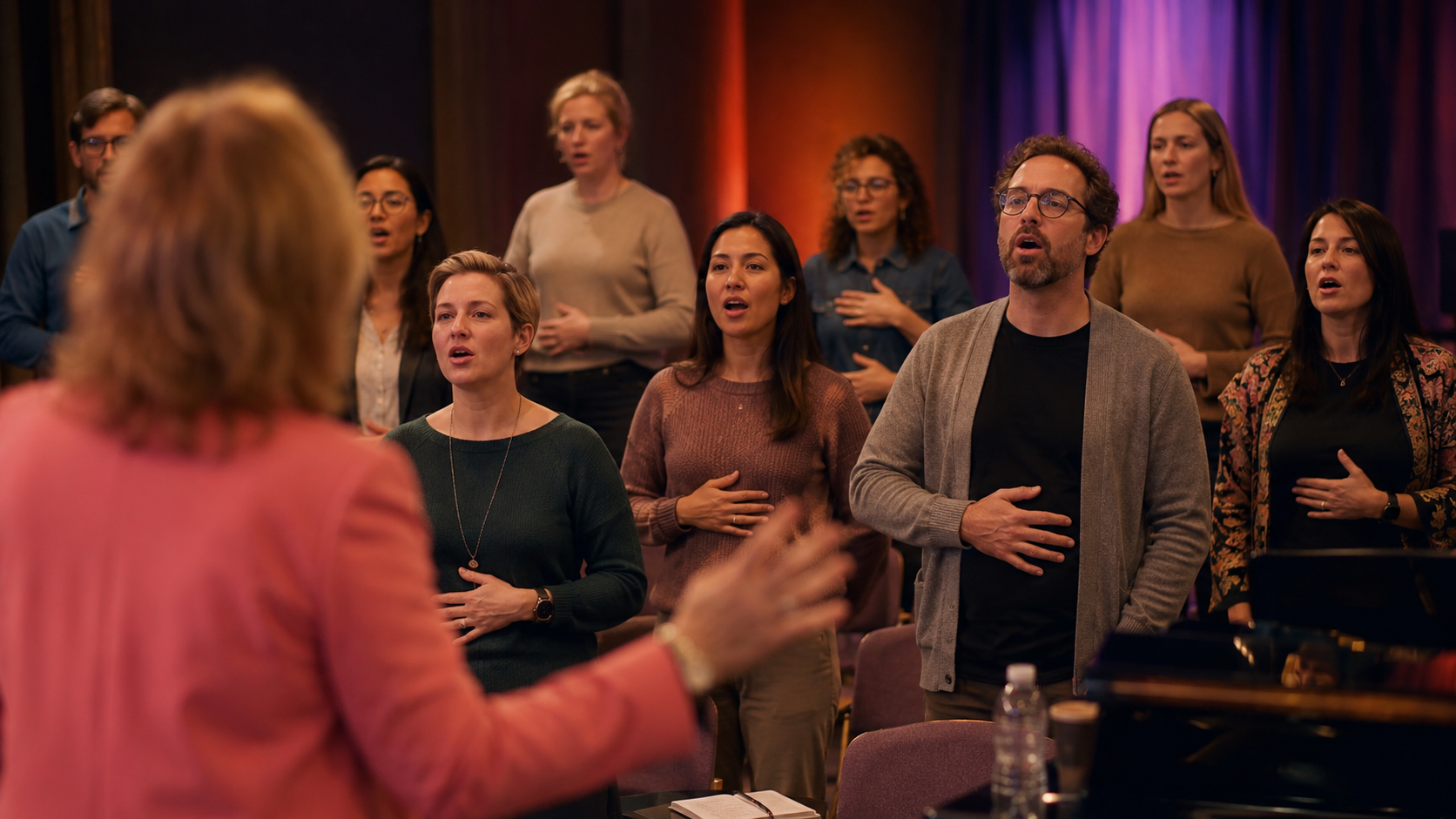
Over the years I have often been asked an interesting question:
“Does being a great singer automatically make someone a great teacher?”
The answer is not always.
A wonderful performer may inspire us deeply, move audiences emotionally and demonstrate tremendous natural talent. However, teaching singing requires an entirely different set of skills — patience, observation, communication, understanding of vocal function and most importantly, the ability to help another person discover their voice rather than simply copy someone else’s.
Some of the world’s greatest singers cannot explain how they produce sound.
Everything may happen naturally for them. But when a student struggles with:
breath control,
register changes,
vocal tension,
pitch,
confidence,
or coordination,
the teacher must be able to identify why the issue is happening and guide the student safely toward balance.
Teaching is both an art and a responsibility.
A Teacher Shapes More Than A Voice
Singing teachers often become mentors, encouragers and emotional support systems as much as vocal trainers.
Students arrive carrying all sorts of experiences:
fear,
insecurity,
performance anxiety,
past criticism,
unrealistic expectations,
or simply a lack of confidence in themselves.
A good teacher understands that building a voice also means building trust.
At Voiceology, we strongly believe that technique should empower singers — not intimidate them.
Students should leave lessons feeling:
clearer,
more capable,
more connected,
and more hopeful about their progress.
Not defeated.
Different Learners Need Different Approaches
One of the greatest qualities a singing teacher can develop is flexibility.
No two students learn the same way.
Some students are highly analytical and need detailed explanations about:
breathing,
vocal folds,
resonance,
and muscle coordination.
Others learn emotionally and instinctively through imagery, feeling and repetition.
Some students thrive on structure.
Others need encouragement first before technical concepts can truly sink in.
This is why teaching experience matters so much.
Over time, teachers learn to recognise:
when a student is overthinking,
when they are pushing too hard,
when fear is interfering,
or when the voice simply needs time to develop naturally.
A teacher who understands people as well as voices can make an enormous difference in a singer’s long-term journey.
Technique Versus Imitation
One of the biggest challenges today is that many singers are trying to imitate sounds before building healthy foundations.
Social media has created a culture of comparison where students often believe they must sound like someone else immediately.
But true vocal development is not imitation.
It is coordination.
A good teacher helps students:
discover their natural tone,
connect their registers,
build healthy breath support,
increase vocal freedom,
and develop consistency without strain.
The strongest singers are usually not the loudest singers.
They are the singers with balance, coordination and endurance.
Great Teachers Never Stop Learning
One of the most important things I encourage in teachers is ongoing learning.
The voice is incredibly complex, and no teacher ever knows everything.
The best teachers continue to:
study,
observe,
ask questions,
refine their listening skills,
and remain open to growth.
This willingness to keep learning creates humility and depth in teaching.
Students can often sense when a teacher genuinely cares about helping them, rather than simply showcasing knowledge.
Supporting The Next Generation Of Teachers
At Voiceology, one of our greatest passions is helping teachers build confidence in working with voices safely and effectively.
Many teachers already possess wonderful musicality and caring instincts. Sometimes they simply need:
clearer vocal concepts,
practical exercises,
greater understanding of registers,
breathing,
resonance,
or vocal longevity.
When teachers gain these tools, entire communities benefit.
One confident, knowledgeable singing teacher may positively influence hundreds of voices over a lifetime.
That is a beautiful ripple effect.
You may also enjoy:
Building A Foundation For The Voice
Producing Sound Versus Making Sound
Pushing Too Hard Too Soon
Connecting The Registers
Building Longevity In Young Singers
Here’s to healthy voices that last,
Marion Rouvas
