Building a Foundation for the Voice
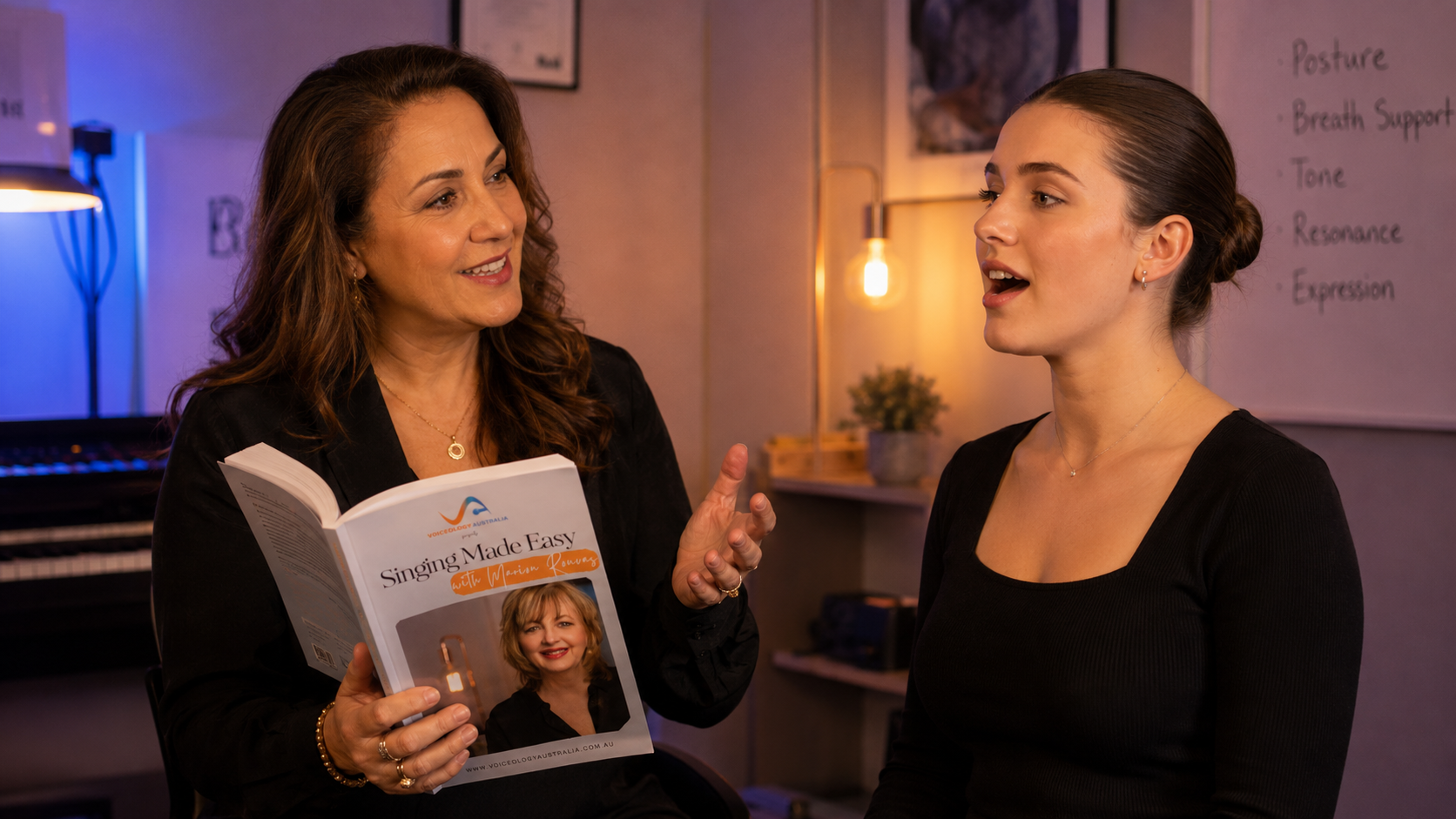
One of the greatest gifts a singer can give themselves is a strong vocal foundation.
Without a foundation, singers often spend years trying to “fix” problems that could have been prevented in the very beginning:
vocal strain,
unstable high notes,
breathiness,
cracking between registers,
fatigue,
lack of endurance,
and inconsistent tone.
A healthy voice is built — not forced.
In today’s world many singers are encouraged to chase quick results, big notes and impressive sounds before the voice has learned how to function freely and efficiently underneath.
But true vocal development is very similar to building a house.
No matter how beautiful the roof may look, if the foundations underneath are weak, cracks eventually begin to appear.
The same applies to singing.
What Is Vocal Foundation?
A vocal foundation is the coordination that allows the voice to function consistently, freely and safely over time.
This includes:
breathing,
balancing air and muscle,
posture,
vowel placement,
ease of production,
register connection,
and learning how to produce sound without unnecessary tension.
Many singers try to skip these fundamentals because they are eager to sing difficult songs immediately.
However, singers who spend time building proper coordination usually progress much faster long term than singers who continually push against imbalance.
The Voice Should Feel Easier Over Time
One of the biggest misconceptions about singing is that difficult singing should feel difficult.
In reality, healthy technique gradually creates more ease.
This does not mean there is no effort involved — there certainly is — but there is a difference between effort and strain.
When singers develop proper coordination:
the breath becomes calmer,
the throat relaxes,
the jaw moves more freely,
high notes stop feeling “attacked,”
and the voice begins to carry naturally without excessive pushing.
Many students are surprised to discover that softer practice often develops the voice more effectively than loud singing.
Soft singing exposes coordination.
Loud singing can sometimes hide imbalance temporarily.
Why Breathing Matters So Much
Breathing is one of the most misunderstood aspects of singing.
Many singers accidentally create tension simply because they over-breathe or try too hard to “support.”
Good breathing should feel natural, low and relaxed.
The diaphragm and surrounding muscles should assist the sound rather than force it.
I share more about breathing and vocal balance here.
When breathing begins to coordinate correctly, singers often notice immediate improvements in:
tone,
pitch stability,
phrasing,
confidence,
and vocal endurance.
Building Teachers As Well As Singers
At Voiceology, we are passionate not only about training singers, but also supporting singing teachers.
Many teachers work incredibly hard helping students navigate voices that are:
changing,
tired,
underdeveloped,
emotionally shut down,
or simply misunderstood.
A strong technical foundation gives teachers confidence and clarity in how to guide students safely.
This becomes especially important with:
young singers,
contemporary vocal styles,
musical theatre,
choir training,
and singers transitioning between registers.
The more understanding teachers have around vocal coordination, the more freedom they can help students experience.
Every Voice Develops Differently
One of the most important things singers need to understand is that voices mature at different rates.
Some singers develop quickly.
Others require patience and gradual strengthening over time.
Comparing one voice against another can create enormous frustration.
A well-trained voice is not built through competition.
It is built through consistency.
Daily habits matter:
gentle exercises,
good breathing,
warming up correctly,
vocal rest,
hydration,
and practising with awareness.
Small improvements repeated consistently over time create lasting results.
Singing With Freedom
Ultimately, the goal of technique is freedom.
Freedom to:
express emotion,
sing different styles,
move through registers smoothly,
trust the voice,
and perform without fear of damage or exhaustion.
When the foundations are healthy, singers stop fighting the voice and begin working with it.
That is where true confidence begins.
To singing with freedom,
Marion Rouvas
