Your Voice Is An Instrument Just Like Any Other
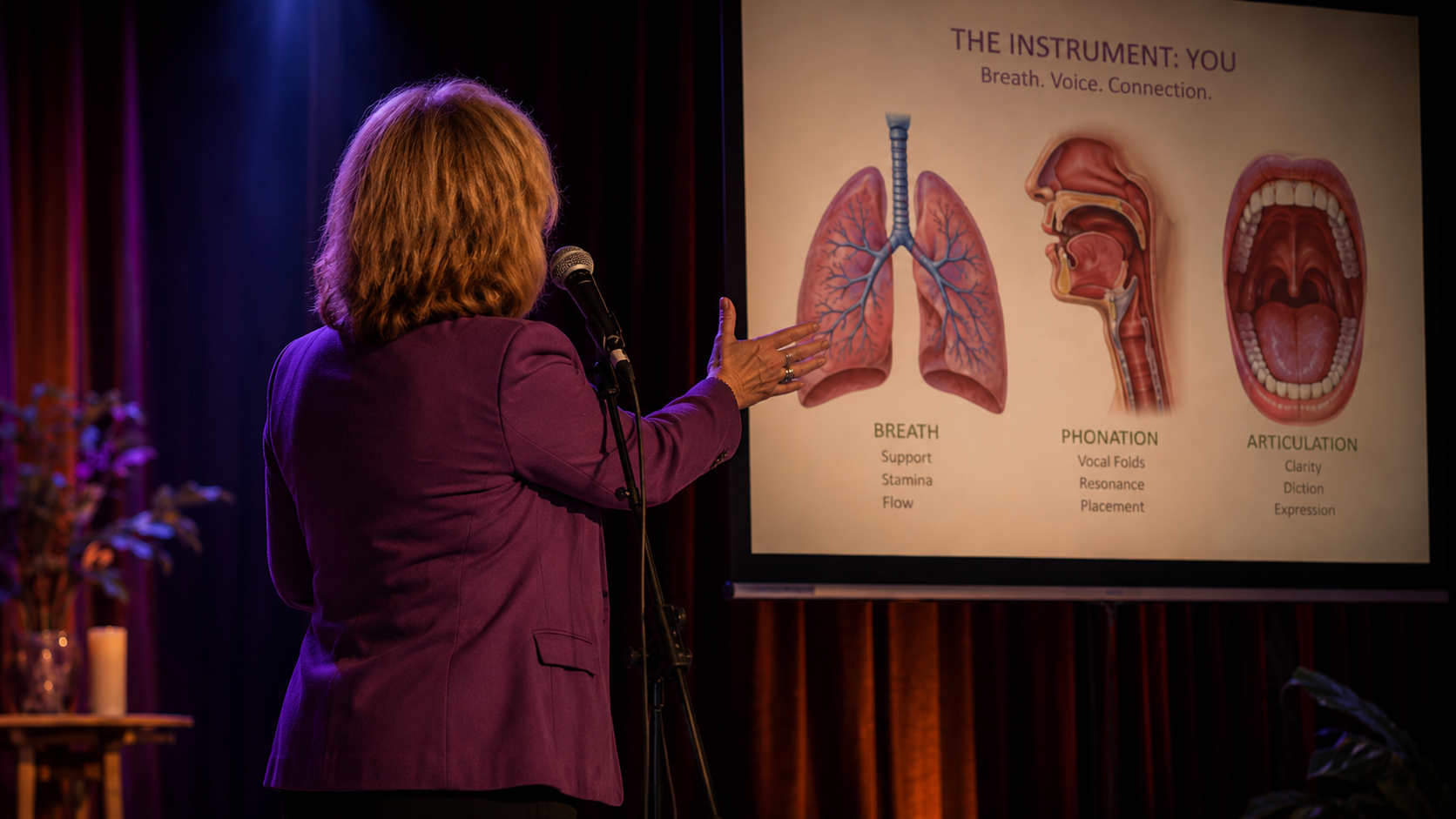
One of the most important things singers can learn is to start viewing the voice as an instrument — not simply as something that should “just work.”
No pianist would expect to sit down at a piano for the very first time and perform a concerto without training.
No athlete expects to compete professionally without conditioning and technique.
Yet many singers place enormous pressure on themselves to perform difficult songs without ever properly understanding how the voice functions.
The voice deserves the same respect, patience and development as any other instrument.
The Difference Is… Your Instrument Lives Inside You
Unlike a piano or guitar, the voice is deeply connected to the body, emotions and nervous system.
This means the voice can be affected by:
stress,
fatigue,
illness,
hormones,
anxiety,
posture,
breathing patterns,
hydration,
emotional wellbeing,
and even confidence levels.
A singer may sound completely different from one day to the next depending on what is happening physically or emotionally.
This is why vocal training is never simply about “hitting notes.”
It is about learning coordination, awareness and balance within the entire body.
Many Singers Work Against The Voice
One of the most common problems teachers encounter is singers trying to overpower the instrument rather than work with it.
This often leads to:
throat tension,
jaw tightness,
pushing chest voice too high,
unstable high notes,
vocal fatigue,
and inconsistent tone.
The irony is that the harder many singers try, the harder singing becomes.
Healthy singing should gradually feel easier over time.
Not because there is no effort involved — but because the effort becomes coordinated instead of forced.
Instruments Require Maintenance
A professional athlete conditions their body.
A pianist practises scales.
A violinist tunes their instrument carefully.
Singers also need ongoing maintenance.
This includes:
proper warm ups,
warm downs,
breathing exercises,
vocal rest,
hydration,
healthy speaking habits,
and consistent technical practice.
Unfortunately, many singers only think about their voice when something goes wrong.
Preventative care is one of the greatest gifts a singer can give themselves.
I speak more about vocal recovery and rest here.
The Voice Needs Time To Develop
One of the biggest dangers in modern singing culture is rushing vocal development.
Social media often rewards extreme sounds, huge belts and quick results, but healthy coordination takes time to build.
The strongest singers are not usually the singers forcing the biggest sound.
They are the singers with:
balance,
endurance,
control,
flexibility,
and reliable coordination across all registers.
This is especially important for younger singers whose voices are still developing physically.
Voices should be nurtured gradually, not pushed aggressively before the foundations are stable.
Singing Teachers Play A Vital Role
Good singing teachers help students understand their instrument safely.
A knowledgeable teacher can often identify:
tension patterns,
breathing issues,
register imbalance,
vocal fatigue,
or unhealthy habits,
long before serious problems develop.
Teaching singing is not about creating copies of one particular sound.
It is about helping each singer discover the healthiest and most natural version of their own voice.
At Voiceology, we strongly believe that singers from every style can benefit from strong technical foundations:
contemporary,
musical theatre,
worship,
rock,
jazz,
country,
classical,
and community singers alike.
Good technique should support expression — not restrict it.
Respecting The Instrument
Many singers become frustrated because they judge the voice emotionally instead of understanding it technically.
But the voice is constantly communicating with us.
Fatigue, tightness, cracking, breathiness or instability are not signs of failure.
They are signs that the instrument may need:
better coordination,
more rest,
healthier habits,
or a gentler approach.
The goal is not perfection.
The goal is freedom, consistency and longevity.
When singers learn to respect the voice rather than fight it, singing becomes far more enjoyable — and sustainable.
Here’s to healthy voices that last,
Marion Rouvas
